
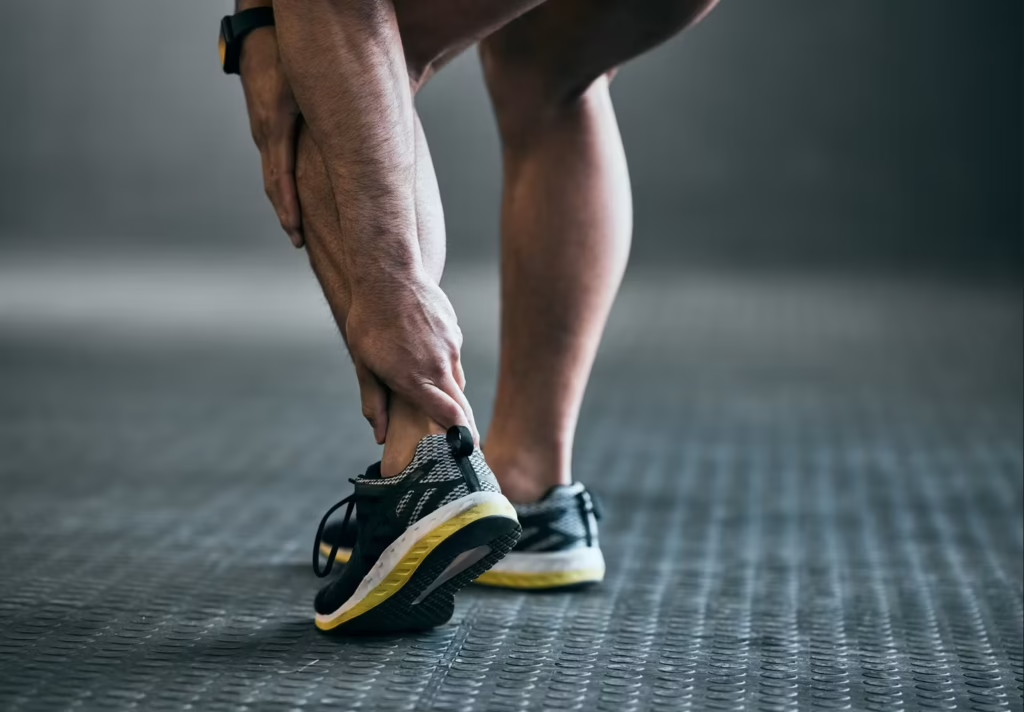
Common symptoms of Achilles tendinopathy include:
- Pain and stiffness along the back of the heel or lower calf
- Tenderness when touching the tendon
- Swelling or thickening around the area
- Pain worse in the morning or after activity
- Weakness or reduced flexibility in the ankle
At Doncaster Foot Clinic, we take a comprehensive, evidence-based approach to Achilles tendinopathy treatment, with personalised plans to reduce inflammation, promote healing, and restore tendon function for full recovery. We start with diagnostic ultrasound for a clear tendon view and gait analysis to spot walking imbalances, then provide practical footwear advice, custom orthotics to support mechanics and cut strain, and targeted rehab programs to strengthen calves and boost flexibility. We also offer radial/focused shockwave therapy to stimulate repair and ease inflammation, Class 4 laser therapy for quick healing and pain relief, plus activity/load management tips to protect the tendon.
Our expert team works closely with you to get you moving comfortably again fast. If Achilles pain’s holding you back, contact us today for specialist podiatry support!
Achilles Tendinopathy
What Is Achilles Tendinopathy?
Achilles tendinopathy is a common condition that affects the largest tendon in your body, the Achilles tendon. This strong band of tissue connects your calf muscles to your heel bone, playing a vital role in walking, running, and jumping. When the tendon becomes inflamed or degenerates, it can cause pain, stiffness, and swelling, significantly impacting your mobility.
Symptoms may also include:
- Pain may be felt as a sharp ache in the back of the heel or along the lower calf
- Tenderness and stiffness in the Achilles tendon, especially in the morning or after activity
- Swelling or thickening of the tendon
- Pain that worsens with activity or after prolonged use
- A feeling of crepitus or grating when moving the ankle
- Limited range of motion in the ankle
Understanding what’s causing your Achilles pain is key to effective treatment. At Doncaster Foot Clinic, we’re experts in diagnosing and managing Achilles pain, so you can regain pain-free movement and get back to your favourite activities.
What Causes Achilles Tendinopathy?
This condition typically results from repetitive stress and overuse, especially when activity levels increase suddenly. Common causes include:
- Repetitive impact activities like running, jumping, or jumping sports that put strain on the tendon.
- Poor biomechanics such as flat feet, high arches, or abnormal gait patterns that overload the Achilles.
- Unsupportive footwear lacking proper support or cushioning.
- Muscle tightness in the calves or Achilles that increases tension on the tendon.
- Obesity: Excess weight places additional stress on the tendon.
- Age-related wear and tear as the tendon loses elasticity over time.
- Medical conditions such as obesity, diabetes, or high blood pressure that can weaken tendons.
Our thorough assessments help identify the specific factors contributing to your Achilles pain, so your treatment targets the root cause.
Why Choose Doncaster Foot Clinic for Achilles Pain?
Achilles tendinopathy can be a frustrating and painful problem, especially if you’re still active. Many clinics simply recommend stretching or rest, but at Doncaster Foot Clinic, we ensure a more advanced approach. Here’s what sets us apart:
- Our dedicated MSK (musculoskeletal) podiatrists treat Achilles pain every day, using our expert knowledge and skills.
- We have advanced ultrasound technology to look at your Achilles tendon and surrounding structures in real-time, helping create a more accurate diagnosis and treatment plan.
- We offer evidence-based therapies such as focused and radial shockwave treatment, Class 4 laser therapy, customised orthotics, guided injections, and structured rehab programs.
- We believe in clear explanations of your diagnosis and treatment options in simple, easy-to-understand terms.
- Our appointments are often available within just 24 hours.
What Happens During Your Achilles Tendinopathy Assessment?
Listening to Your Story
We take time to understand your symptoms, activity habits, goals, and any previous treatments you’ve had.
Hands-On Examination
Our team carefully assesses your Achilles tendon, calf muscles, ankle mechanics, and overall foot function to identify what’s causing your pain and how best to treat it.
Ultrasound Imaging
In some cases, our specialist MSK podiatrist may perform ultrasound scans during your appointment to evaluate tendon thickness, fibre structure, and any signs of degeneration or reactivity.
Precise Diagnosis
We’ll confirm whether your discomfort is caused by Achilles tendinopathy, bursitis, or other related issues, so you receive the right treatment.
Personalised Treatment Plan
Depending on your condition, your plan may include tailored rehab exercises, orthotics, footwear advice, shockwave therapy, laser treatments, or load management strategies. Our goal is to help you recover fully and prevent future problems.
Ongoing Support
We’ll monitor your progress and adapt your treatment plan as needed to ensure your tendon pain resolves quickly and comfortably.
How Do We Treat Achilles Tendinopathy?
At Doncaster Foot Clinic, we take a comprehensive, evidence-based approach to help you recover fully. Our personalised treatment plans focus on reducing inflammation, promoting healing, and restoring normal tendon function. Options include:
- Diagnostic Ultrasound to get a detailed look at your tendon and plan effective treatment.
- Gait analysis: to identify any abnormalities or imbalances in your walking pattern
- Footwear advice and custom orthotics to support proper foot mechanics and reduce strain.
- Targeted Rehab Programs to strengthen your calf muscles and improve flexibility.
- Radial and Focused Shockwave Therapy stimulates tissue repair, decreases inflammation, and promotes healing of stressed or damaged tissues.
- Class 4 Laser Therapy accelerates healing, reduces inflammation, and relieves pain by stimulating cellular repair processes at the tissue level.
- Activity and Load Management advice to avoid aggravating your tendon.
Our expert team will work collaboratively with you to structure a personalised plan designed to get you moving comfortably again in the shortest time possible.
FAQs
Frequently Asked Questions
How long does it take for Achilles tendinopathy to heal?
Mild cases can improve in a few weeks with proper care. More severe or chronic cases may take several months, but most people see significant progress within 3 months with professional treatment and consistent rehab.
Can Achilles tendinopathy go away on its own
Sometimes, mild symptoms improve over time, but without targeted treatment and activity modifications, the condition can become persistent or worsen. Early intervention speeds recovery and reduces the risk of long-term issues.
Is walking okay with Achilles tendinopathy?
Light, controlled walking can be beneficial, but you should avoid activities that cause pain. We recommend gradual reintroduction of movement under professional guidance to support healing.
What’s the difference between Achilles tendinitis and tendinopathy?
Tendinitis refers to acute inflammation, often from sudden overload, while tendinopathy is a broader term that encompasses both inflammation and degenerative changes over time. Tendinopathy usually requires a longer-term treatment approach.
What is the gold standard treatment for achilles tendinitis/tendinopathy?
The gold standard treatment for Achilles tendinitis typically includes a combination of rest, activity modification, targeted stretching and strengthening exercises, and manual therapy. In more chronic cases, therapies like shockwave treatment or laser therapy may be used. Proper diagnosis and a tailored rehabilitation plan from a podiatrist are essential for best results.
Should I rest completely?
Rest is important initially to reduce strain, but prolonged inactivity can weaken the tendon. A balanced plan of rest, gentle activity, and rehab exercises is best for healing.
How can I prevent Achilles problems in the future?
Maintaining good flexibility, wearing supportive footwear, gradually increasing activity intensity, and addressing biomechanical issues can help prevent recurrence.
Doncaster Foot Clinic is here to support you every step of the way. If you’re experiencing persistent heel or calf pain, don’t put it off – book an appointment today. Our friendly, expert team will help you move comfortably and confidently once again. Contact us now to start your journey to recovery!