
Services
Corn Removal Treatment
Corn Removal Treatment in Doncaster
Say bye to painful corns! At Doncaster Foot Clinic, we’re dedicated to providing expert, personalised treatments to help you overcome painful corns. Experience long-lasting relief and get back to comfort with our specialist corn treatments today!
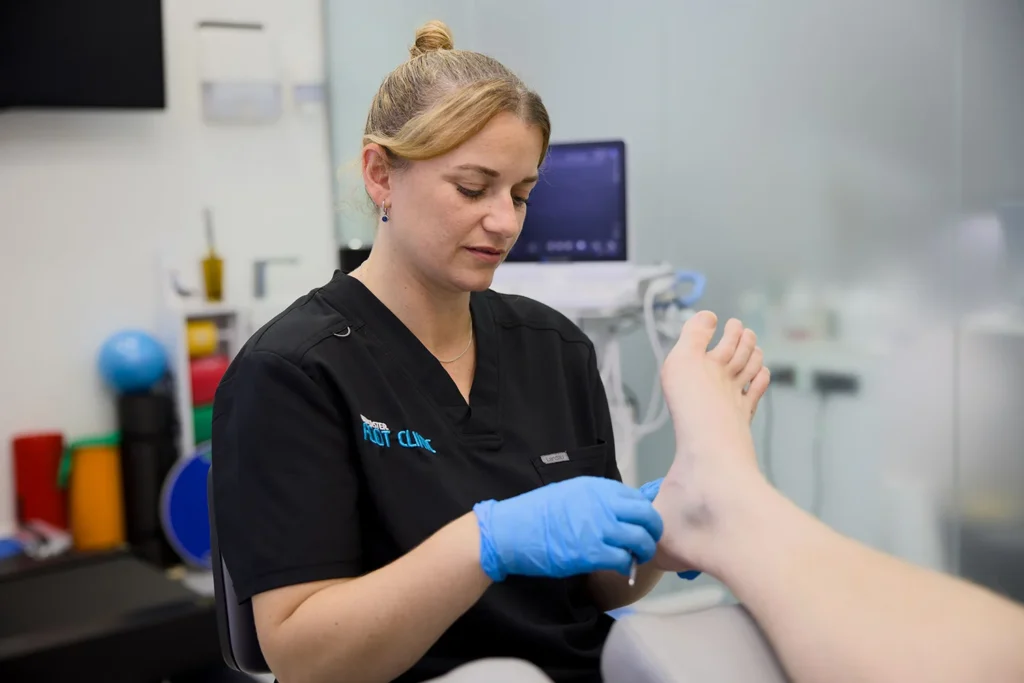
Corn Removal Treatment
What are Corns?
Have you noticed a painful bump on your foot that appeared unexpectedly? It could be a corn.
- Corns are small, thickened skin patches caused by repeated friction or pressure. They often develop on the tops or between the toes, or on the soles. Corns can be hard or soft, sometimes resembling tiny seed-like spots with distinct features.
- They are the body's response to persistent friction, with calluses being broader and less focused. Both can cause pain, making walking and wearing shoes uncomfortable.
- Initially painless, corns can worsen if untreated, pressing into deeper skin layers and even irritating nerves. Prompt treatment helps prevent complications.
- Seed corns are clusters of small, tender spots, that form on the ball of the foot causing discomfort. Corns can look similar and are often mistaken for verruca and warts, so it's best to see a podiatrist for an accurate diagnosis and treatment.
What Causes Corns?
Corns develop as the foot’s response to persistent pressure and friction. Knowing the underlying causes can help you take steps to prevent their formation.
- Poorly Fitting Shoes: A common cause of corns is badly-fitting footwear. Shoes that are too tight, have narrow toe boxes, or high heels can put constant pressure on specific areas of the foot, leading to corns. Using orthotics or insoles can help redistribute pressure more evenly and reduce friction during walking.
- Foot Structures: Foot arch type impacts where corns develop. High Arches cause increased pressure on the toes and ball of the foot, leading to corns. Low arches create uneven pressure on the inside of the foot, raising the risk of corns and calluses.
- Foot Deformities: Certain structural issues, like hammertoes or bunions, can increase the risk of corns. These deformities often cause toes to rub against one another or the inside of shoes, creating friction that results in corns.
- Walking Pattern: Your gait or walking style can also influence where corns form. Abnormal walking mechanics may place extra pressure on particular parts of your foot. A biomechanical assessment can identify and address these underlying issues.
- High Activity Levels: Engaging in prolonged standing or walking activities can generate continuous pressure and friction, making corn formation more likely.
- Other Factors: Age, weight gain and even certain medical conditions can also play a role in the development of corns.
Treatments We Offer For Corns
- Expert Corn Removal: Podiatrists can quickly and gently remove corns by using their expert scalpel techniques, achieving immediate relief
- Orthotics/Insoles: Custom insoles can redistribute pressure and prevent corn formation, especially if biomechanical issues are involved.
- Dermal Fillers: The injection of Hyaluronic Acid, a natural dermal filler, directly beneath the skin to cushion high-pressure areas and prevent corns from recurring.
Understanding your options, from traditional methods to more advanced treatments can help prevention and effective relief. If you need expert care for your corns, Doncaster Foot Clinic can help.
What To Expect?
Your journey to healthier feet begins with a personalised consultation. Here’s what to expect during your appointment at Doncaster Foot Clinic:
- A Warm Welcome: Our friendly team to help you feel relaxed and comfortable, helping you to feel at ease from the moment you arrive.
- Comprehensive Foot Check: We take the time to diligently examine your feet, looking for calluses, corns, cracks in your heels, fungal infections and any other skin problems.
- Skin Care: We carefully remove hard skin, corns, and cracks in your heels using expert scalpel and buffing techniques, helping your feet stay comfortable, healthy, and looking their best.
- Relaxing Moisturising & Massage: We finish with a soothing massage and moisturiser to leave your feet soft, relaxed, and revitalised.
- Personalised Plan: Time taken to explain what is going on, and explain what you can do between visits to to keep your feet in top shape all year round
At Doncaster Foot Clinic, our aim is to offer a relaxed, straightforward foot care experience that helps improve your overall wellbeing and boosts your confidence.
Benefits
This isn’t just a treatment—it’s about helping you feel your best every day. Whether you’re on your feet at work, enjoy going for a walk, staying active, or simply chasing after the kids, our corn removal treatments are designed to reduce discomfort, improve your mobility, and boost your confidence. When your feet feel good, everything else becomes easier and more enjoyable.
Why choose Doncaster Foot Clinic?
- Delivered by experienced podiatrists
- Medical-grade hygiene and standards
- Calm, professional clinic environment
- No rushing - comfort comes first
- Designed to leave you ‘walking on air’
FAQs
Frequently Asked Questions
Why is my corn painful?
Corns often cause pain because they create pressure and friction on the skin. Wearing shoes that don’t fit properly or repetitive rubbing can lead to irritation in specific areas of the foot, causing the skin to thicken and form corns. These raised, hardened spots can press into the deeper layers of the skin, irritating nerves and resulting in discomfort. If not treated, corns can become increasingly painful as the accumulation of dead skin adds to the pressure on the underlying healthy tissue. Seeing your local podiatrist can help reduce pain and prevent further complications.
What Is the Best Treatment for Corns?
For persistent or painful corns, it’s important to consult a podiatrist. They can accurately diagnose your condition and recommend the most effective treatment, addressing the root cause to achieve long-term relief. A podiatrist can offer personalised advice—sometimes simple footwear changes are enough, but underlying issues like high or low arches may require targeted treatment.
Can you get rid of a corn on your own?
While there are many over-the-counter products like patches, pads, and ointments that can help manage corns, attempting to remove them yourself can be difficult and may not produce the best results. These treatments may offer temporary relief by reducing friction and softening dead skin, but they don’t address the root cause of the corn. Trying to cut or peel away the corn with sharp tools at home can increase the risk of infection and other complications. It’s best to consult a podiatrist for safe and effective removal, as they can properly diagnose the type of corn and recommend appropriate treatments to prevent it from returning.
How long does it take for a corn to go away?
The duration for a corn to heal varies based on its size, cause, and the treatment applied. Some corns may improve within a few weeks with proper foot care and footwear changes, while others may last longer if the underlying issues—like badly-fitting shoes or ongoing pressure—aren’t resolved. Visiting a podiatrist can help speed up recovery, as they can offer specialised treatments to relieve pain and target the root cause of the corn.
What happens if my corn is left untreated?
Ignoring a corn can result in several complications. Continuous pressure and rubbing can cause the skin to thicken even more, increasing pain and discomfort. Over time, the accumulation of dead skin may create an environment conducive to bacterial or fungal infections, which can lead to more serious foot issues. Additionally, leaving a corn untreated might alter your walking pattern, potentially causing additional problems such as calluses, new corns, or structural foot issues. Consulting a podiatrist is important to prevent the condition from worsening and to address any related complications, helping maintain foot health and comfort.
Can I use a corn plaster on my corn?
Medicated corn plasters are designed to help ease discomfort and assist in removing corns. These plasters usually contain salicylic acid, which helps dissolve the thickened skin of the corn. While they can provide temporary relief by reducing pressure and encouraging the shedding of dead skin, they do not treat the underlying cause of the corn. People with conditions like diabetes or poor circulation should avoid using these plasters, as they may increase the risk of skin irritation or other complications. For safe and effective treatment, it’s best to consult a podiatrist who can provide a thorough assessment and a personalised treatment plan.