
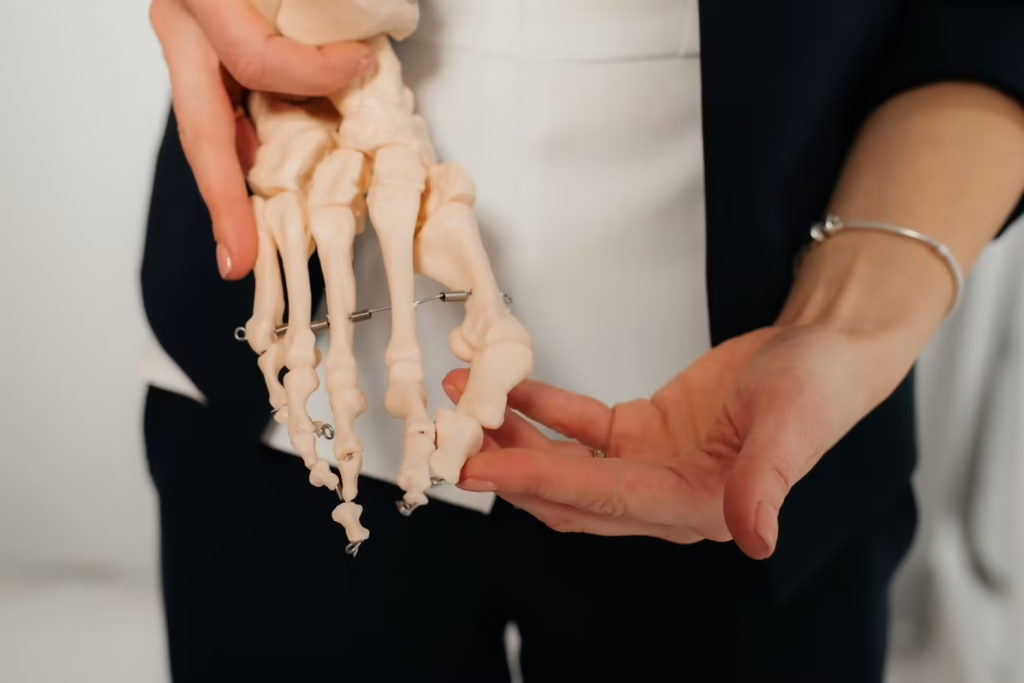
Common symptoms of bunions include:
- A noticeable bony bump on the side of the foot near the big toe
- Redness, swelling, or soreness around the joint
- Pain or aching, especially when wearing shoes or walking
- Corns or calluses where toes rub together
- Limited movement in the big toe, making it hard to bend
At Doncaster Foot Clinic, we offer conservative, non-surgical bunion management to ease pain, stabilise the joint, and slow progression – often delaying or avoiding surgery. Key to this are custom orthotics, made from your own foot impressions, which redistribute pressure away from the big toe joint, correct issues like overpronation, improve walking alignment, and minimise stress to slow how the bunion worsens. We combine these with wider footwear advice, protective padding, strengthening exercises, and lifestyle tips.
Worried about your bunions getting worse? Book a full assessment today – we’ll create a personalised plan to keep you comfortable and active longer. Get in touch!

Bunions
What Is a Bunion?
A bunion, medically known as hallux valgus, is a common foot deformity that affects the big toe joint. It develops gradually when the joint at the base of the big toe shifts out of alignment, leading to the formation of a bony bump on the side of the foot. Bunions can vary in size, but even small ones can cause significant discomfort and influence your footwear choices. Symptoms may include pain, swelling, redness, and difficulty walking or wearing tight shoes.
Symptoms may also Include:
- Bony bump on the side of the big toe joint
- Tenderness or soreness around the affected area
- Stiffness or limited movement of the big toe
- Corns or calluses where toes rub against shoes
- Visible deformity or angling of the big toe toward the second toe
What Causes Bunions?
Bunions are caused by a combination of anatomical and lifestyle factors, including:
- Footwear Choices: Tight, narrow shoes, high heels, or shoes with a pointed toe box that squeeze the toes together.
- Genetics: Having family members with bunions, hypermobility or foot structures that run in the family can increase the chances of developing bunions.
- Foot Mechanics: high or low foot arches, flat feet, or overpronation that place extra stress on the big toe joint.
- Injury or Trauma: Past injuries to the foot can alter joint alignment and contribute to bunion formation.
- Medical Conditions: Conditions like rheumatoid arthritis or other inflammatory joint diseases can increase bunion risk.
At Doncaster Foot Clinic, we carry out comprehensive assessments to determine the root causes of your bunion and develop an effective treatment strategy.
How Do We Treat Bunions?
Our approach to bunion management is personalised and aims to reduce pain, slow deformity progression, and improve foot function. Treatment options include:
- Diagnostic Ultrasound: To get a detailed look at your bunion and plan effective treatment.
- Gait analysis: to identify any abnormalities or imbalances in your walking pattern
- Footwear Advice: We recommend supportive shoes with a wide toe box, good cushioning, and low heels to prevent unnecessary pressure on the bunion.
- Orthotics: Custom or prefabricated insoles help redistribute pressure and minimise discomfort.
- Activity Modifications: Avoiding high-impact activities or tight footwear that worsens symptoms.
- Radial and Focused Shockwave Therapy stimulates tissue repair, decreases inflammation, and promotes healing of stressed or damaged tissues.
- Class 4 Laser Therapy accelerates healing, reduces inflammation, and relieves pain by stimulating cellular repair processes at the tissue level.
- Targeted Rehab programs: Stretching and strengthening exercises to improve foot mechanics and reduce strain on the joint.
- Injections: Corticosteroid injections to decrease inflammation and provide short-term pain relief.
Our team will develop a customised treatment plan to help you manage and slow down the progression of your bunion and improve your quality of life.
FAQs
Frequently Asked Questions
What aggravates a bunion?
Wearing tight, narrow shoes or high heels, standing for long periods, or participating in high-impact activities can worsen bunion symptoms. Foot deformities like flat feet or overpronation also contribute to progression.
Will a bunion go away on its own?
No, bunions typically do not resolve by themselves. Early management can slow progression and reduce pain, but the deformity usually worsens over time without treatment.
What happens if I ignore my bunion?
Ignoring a bunion can lead to increased pain, joint inflammation, and further deformity. Severe cases may cause difficulty walking, balance issues, or secondary problems like hammertoes or corns.
How long does bunion treatment take?
Non-surgical management can provide relief within weeks, but progress depends on severity and adherence to treatment. Surgery, if needed, involves a recovery period that varies from weeks to months.
Can a bunion be corrected without surgery?
Conservative treatments can manage symptoms and slow progression, but they do not fully correct the deformity. Surgery is the only option for realignment if the bunion causes severe pain or mobility issues.
Ready to take control of your foot health?
At Doncaster Foot Clinic, we’re dedicated to helping you manage and treat bunions effectively. Don’t let foot deformity or pain hold you back – book your appointment today and take the first step toward pain-free walking today.