
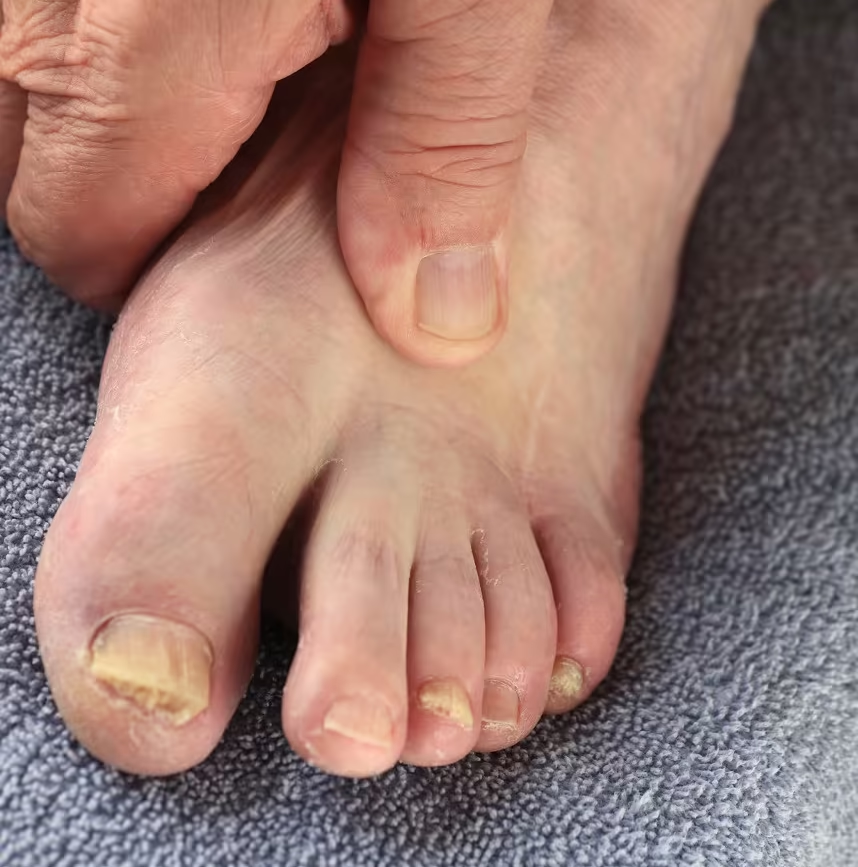
Common symptoms of fungal toenails include:
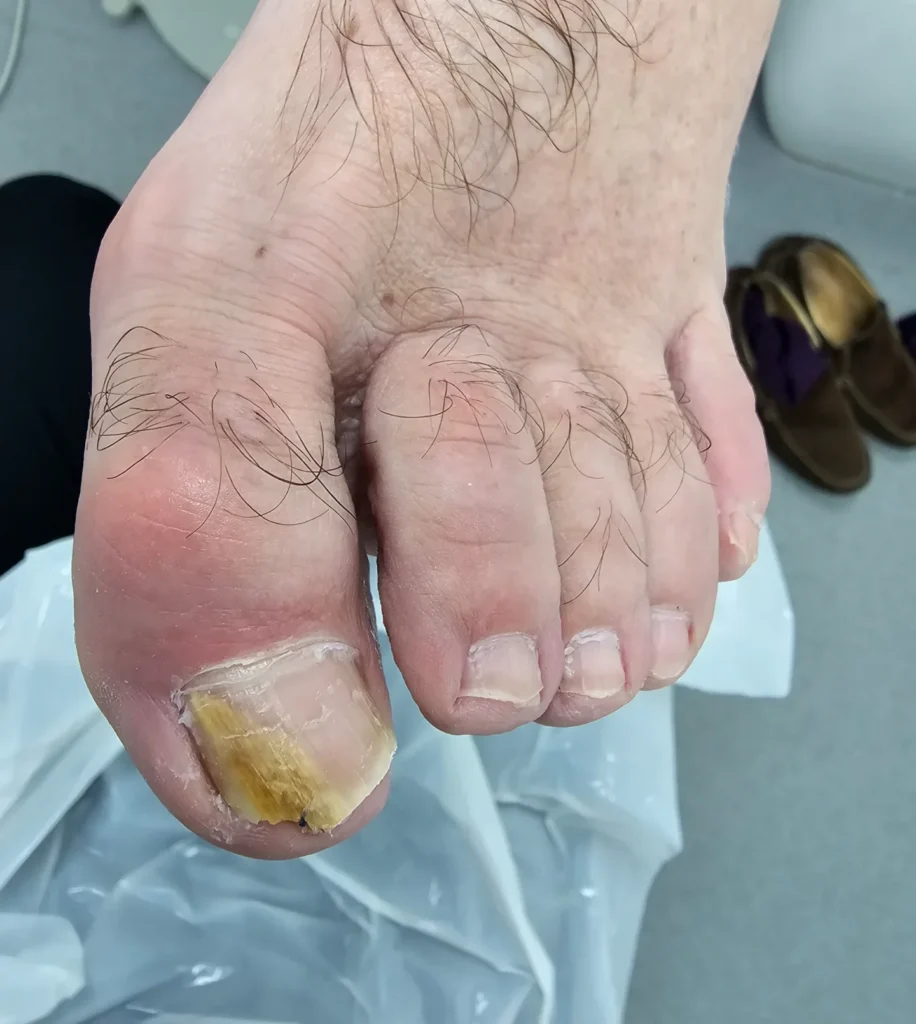
- Yellow, white, brown, or black discolouration
- Thickened, crumbly, or brittle nails
- Nails lifting from the bed or becoming misshapen
- Foul odour from under the nail
- Debris building up beneath the nail
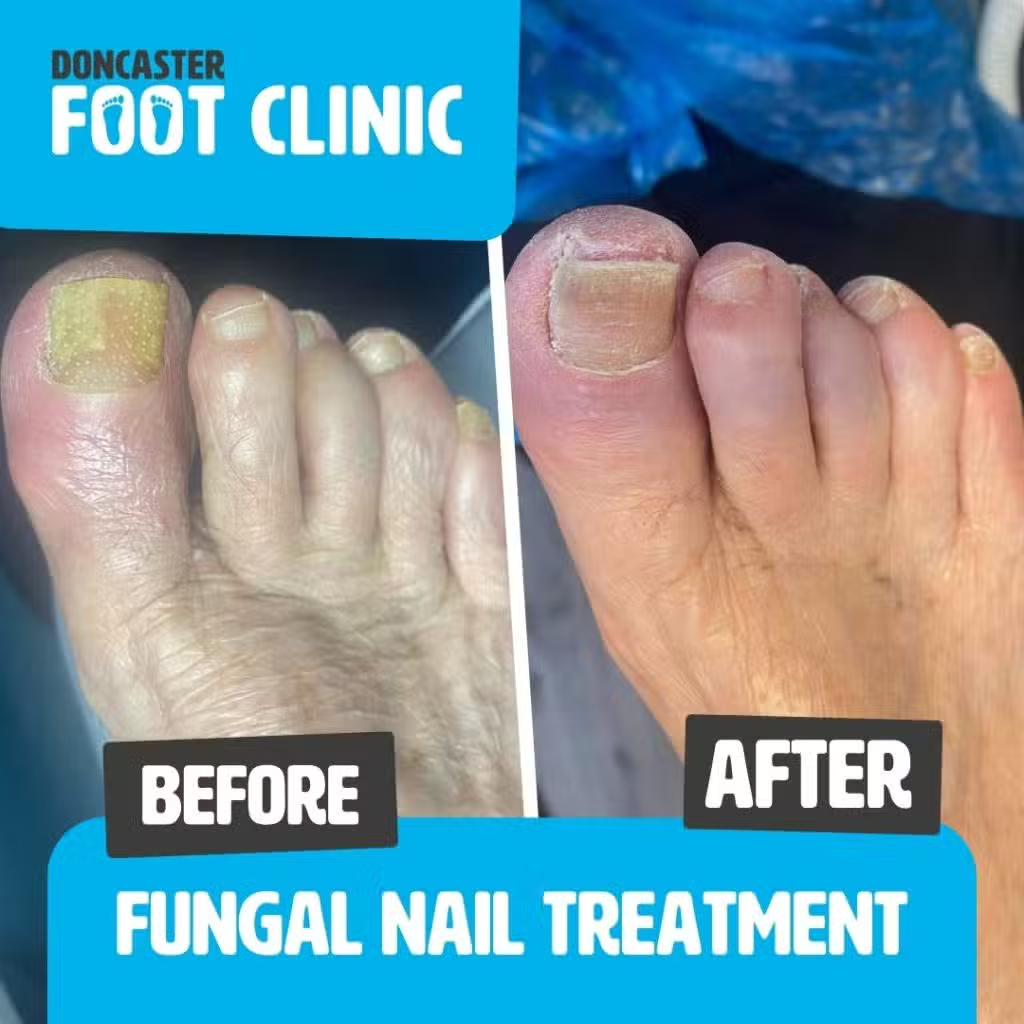
At Doncaster Foot Clinic, we provide expert fungal toenail treatment in Doncaster with proven podiatry techniques: thinning the nail for better permeability, performing nail fenestration (precise micro-holes to enhance antifungal penetration without damaging the bed), and applying clinically proven topical ointments or solutions for optimal results. We also offer detailed advice on hygiene, footwear, moisture control, and care to prevent recurrence because preventing recurrence is just as important as clearing it up.
No more hiding your toes – let us help restore clear, healthy nails. If you’re ready to say bye to stubborn fungal toenails, get in touch today!
Before & After
FAQs
Frequently Asked Questions
How Can I Tell if I Have a Fungal Toenail Infection?
A fungal toenail infection typically manifests as thickening, brittleness, and discolouration of the nail, which may range from white to yellow or brown. In some cases, the nail may become deformed or emit a slight odour. However, because these symptoms can overlap with other conditions like trauma nails or psoriatic nails, a professional diagnosis from a podiatrist at a clinic such as Doncaster Foot Clinic is essential.
What Does a Fungal Toenail Test and Consultation Involve?
During a consultation at a clinic like Doncaster Foot Clinic, a skilled podiatrist conducts a thorough examination of the affected toenail(s) to accurately diagnose the condition. This may involve discussing your medical history, symptoms, and any previous treatments. Advanced diagnostics, including the use of Clearanail Pro technology, may be employed to confirm the presence of a fungal infection and to distinguish it from other nail conditions.
How Is Fungal Toenail Treated After Diagnosis?
Once diagnosed, treatment options may vary depending on the severity of the infection. Typical treatments include topical antifungal medications, oral antifungal drugs, and in some advanced cases, the use of Clearanail Pro technology, which has shown nearly an 80% success rate in effectively treating fungal toenail infections. The treatment plan will be tailored to the patient’s specific needs.
How Effective Is the Treatment, and How Soon Can I See Results?
The treatment success rate for fungal toenail infections at facilities that use Clearanail Pro technology, like Doncaster Foot Clinic, is nearly 80%. Patients generally start to see visible improvement within 2-8 weeks of starting treatment, although the complete healing process can vary depending on the severity of the infection and the individual’s response to treatment.
Can a Fungal Toenail Infection Come Back After Treatment?
Yes, re-infection is possible, especially if preventive measures are not followed. It’s important to practice good foot hygiene, keep feet dry, avoid going barefoot in communal wet areas, and follow any specific advice given by your podiatrist during and after treatment to minimize the risk of recurrence.