

Common symptoms of plantar fasciitis include:
- Sharp heel pain, especially first steps in the morning or after rest
- Aching or stabbing along the arch of the foot
- Tenderness when pressing the heel or arch
- Pain worsening after prolonged standing or activity
- Stiffness that eases slightly with movement
At Doncaster Foot Clinic, we treat plantar fasciitis with a comprehensive, personalised approach that reduces inflammation, supports tissue repair, corrects biomechanics, and prevents pain returning. We begin with diagnostic ultrasound to view your plantar fascia clearly and gait analysis to identify walking imbalances. You’ll get expert footwear advice and custom orthotics to redistribute pressure and ease tension. For healing, we offer radial/focused shockwave therapy, Class 4 laser therapy to cut swelling and relieve pain fast, targeted rehab exercises for foot and calf muscles, plus activity/load management tips and anti-inflammatory meds if needed.
All combined into a tailored plan to get you moving comfortably again. If heel pain’s disrupting your life, contact us today for specialist podiatry care!
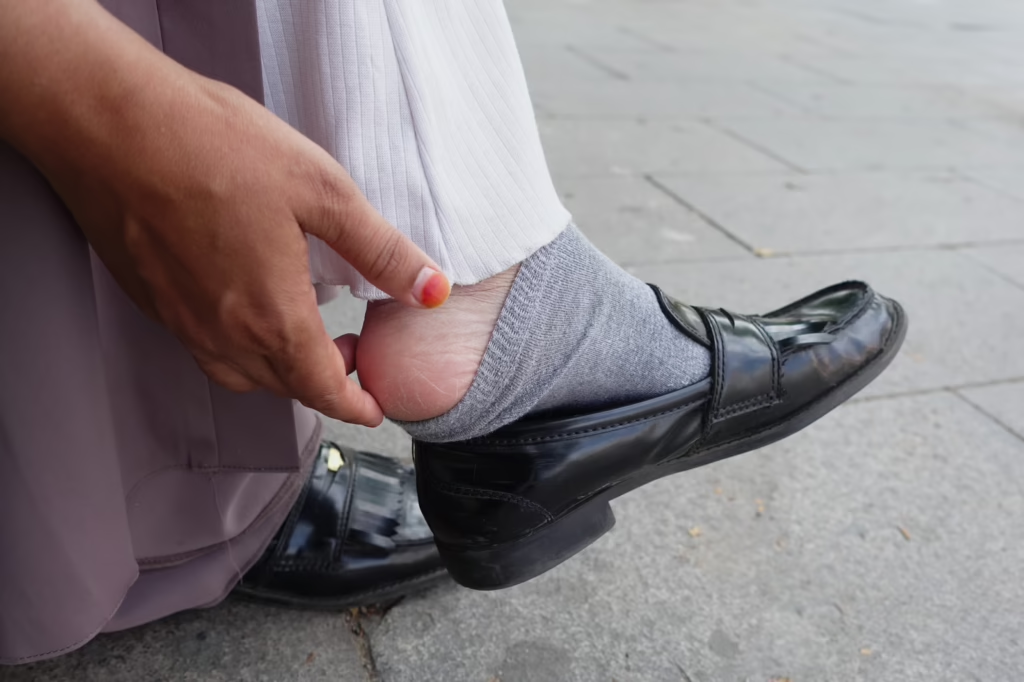
Plantar Fasciitis
What Is Plantar Fasciitis?
Plantar fasciitis is a common cause of heel pain that often comes on suddenly. It involves inflammation or tiny tears in the plantar fascia—a thick band of tissue running along the bottom of your foot that connects your heel to your toes and supports your arch. While anyone can develop plantar fasciitis, it’s most common among runners, people who stand for long hours, or those wearing unsupportive footwear.
Symptoms may also include:
- Sharp, stabbing sensation in the bottom of the heel or arch
- Heel pain, especially in the morning or after periods of rest
- Tenderness and swelling in the heel area
- Pain that worsens with activity or after standing for long periods
- Increased pain after exercise, not during
At Doncaster Foot Clinic, we understand how this debilitating condition can disrupt your normal life – whether you’re chasing toddlers, walking the dog, engaging in physical activities or working long shifts. Our team provides expert diagnosis and targeted treatments to help you get back to pain-free activity.
What Causes Plantar Fasciitis?
Plantar fasciitis results from overloading and stressing the plantar fascia, often due to:
- Repeated strain: Activities like running, jumping, or dancing that put excessive pressure on your heel and arch.
- Unsupportive footwear: Shoes that don’t give your foot enough support or cushioning.
- Obesity: Excess weight places additional stress on the plantar fascia.
- Long hours on your feet: Jobs that involve standing on hard surfaces.
- Age-related changes: The fascia becomes less elastic and more prone to injury over time.
- Foot structure: Flat feet, high arches, or abnormal walking patterns can increase tension.
We take the time to assess all possible factors during your assessment to create a treatment plan that addresses both symptoms and root causes, not only to achieve, but to sustain long-term relief.
Why Choose Doncaster Foot Clinic?
Plantar fasciitis is one of the most common reasons people experience heel pain, but many clinics simply offer basic advice and offer a quick fix. At Doncaster Foot Clinic, we do things differently:
- Our team of specialist MSK (musculoskeletal) podiatrists treat foot and ankle pain everyday, and are experts
- We believe in finding and addressing the root cause of your pain, not just looking at the symptoms.
- We have advanced ultrasound technology to look at your plantar fascia and surrounding structures in real-time, helping create a more accurate diagnosis and treatment plan.
- We offer proven, innovative therapies like Class 4 laser therapy, focused and radial shockwave therapy, custom orthotics, and tailored rehabilitation programs.
- We believe in clear explanations of your diagnosis and treatment options in simple, easy-to-understand terms.
- Our appointments are often available within just 24 hours
What To Expect During Your Plantar Fasciitis Assessment?
Listening to Your Story
We start by hearing about your symptoms, activity levels, lifestyle goals, and any previous treatments you’ve tried.
Hands-On Examination
Our team carefully assesses your foot, surrounding structures, and overall biomechanics to identify the root causes of your heel pain and any overload patterns.
Ultrasound Imaging
During your appointment with our specialist MSK podiatrist, we may perform ultrasound scans to examine the thickness and structure of your plantar fascia, helping us develop a precise and effective treatment plan.
Getting to the Correct Diagnosis
We confirm whether your heel discomfort is caused by plantar fasciitis or another condition, ensuring you get the most optimal treatment.
Personalised Treatment Planning
Based on your assessment, your rehab plan might include stretching and strengthening exercises, custom orthotics, focused and/or radial shockwave therapy, laser treatment or activity modifications. We are dedicated to supporting your full recovery and helping you prevent future problems.Ongoing Support
We’ll monitor your progress and adapt your treatment plan as needed to ensure your heel pain resolves quickly and comfortably.
How Do We Treat Plantar Fasciitis?
We believe in a comprehensive approach to a full recovery. Our goal is to reduce inflammation, support tissue repair, and correct biomechanical issues to prevent the pain from coming back. Our treatment options include:
- Diagnostic Ultrasound: To get a detailed look at your fascia and plan effective treatment.
- Gait analysis: to identify any abnormalities or imbalances in your walking pattern
- Footwear advice and custom orthotics to support proper foot mechanics and reduce strain on your plantar fascia.
- Targeted Rehab programs: Exercises focused on improving flexibility and stability of your foot and calf muscles.
- Radial and Focused Shockwave Therapy stimulates tissue repair, decreases inflammation, and promotes healing of stressed or damaged tissues.
- Class 4 Laser Therapy accelerates healing, reduces inflammation, and relieves pain by stimulating cellular repair processes at the tissue level.
- Activity and load management advice to reduce strain on the plantar fascia.
- Medication: Anti-inflammatory tablets or gels to reduce swelling and discomfort.
Our team will develop a personalised plan to get you moving comfortably again and prevent future flare-ups.
FAQs
Frequently Asked Questions
Can plantar fasciitis get better on its own?
Mild cases may improve over time, but without addressing the underlying causes like footwear or activity patterns, the pain can persist or become chronic. Professional treatment speeds up healing and prevents recurrence.
What other conditions can cause heel pain similar to plantar fasciitis?
Heel pain can also be caused by Achilles tendinitis, nerve issues like tarsal tunnel syndrome, or fat pad atrophy. Proper diagnosis is essential to determine the right treatment.
What is the gold standard treatment for plantar fasciitis
The gold standard treatment for plantar fasciitis is a combination of stretching, activity modification, and custom orthotics. These help reduce strain on the fascia, promote healing, and prevent recurrence. In some cases, therapies like shockwave treatment or laser therapy may be added if symptoms persist. A tailored plan from a podiatrist is key to effective recovery.
Do heel spurs cause plantar fasciitis?
Heel spurs and plantar fasciitis are related but one doesn’t directly cause the other. Heel spurs are bony growths that develop over time due to chronic stress, often near the attachment of the plantar fascia. Many people with plantar fasciitis also have heel spurs, but the pain mainly comes from inflammation and micro-tears in the fascia, not the spur itself.
Should I stay off my feet if I have heel pain?
Rest can help temporarily, but prolonged inactivity may weaken your tissues. Gentle movement combined with targeted treatment usually provides better long-term results.
Can plantar fasciitis become so severe that I can’t walk?
Yes, if untreated, the pain can become debilitating. Early intervention with therapies like orthotics, exercises, and sometimes advanced treatments can prevent this and restore normal walking.
How long does treatment take?
Most people see improvements within a few days to a few weeks, but recovery varies depending on severity and adherence to treatment. We’ll give you a personalised plan to support your recovery.
Doncaster Foot Clinic is here to help you overcome heel pain and get back to doing what you love. If heel discomfort is affecting your daily life, don’t wait—book an assessment today. Our friendly team of foot and ankle specialists are ready to assist you with personalised care designed to bring you long-term relief. Contact us now and start your journey towards healthier, pain-free feet!