Services
Ingrown Toenail Treatment
Ingrown Toenail Treatment at Doncaster Foot Clinic
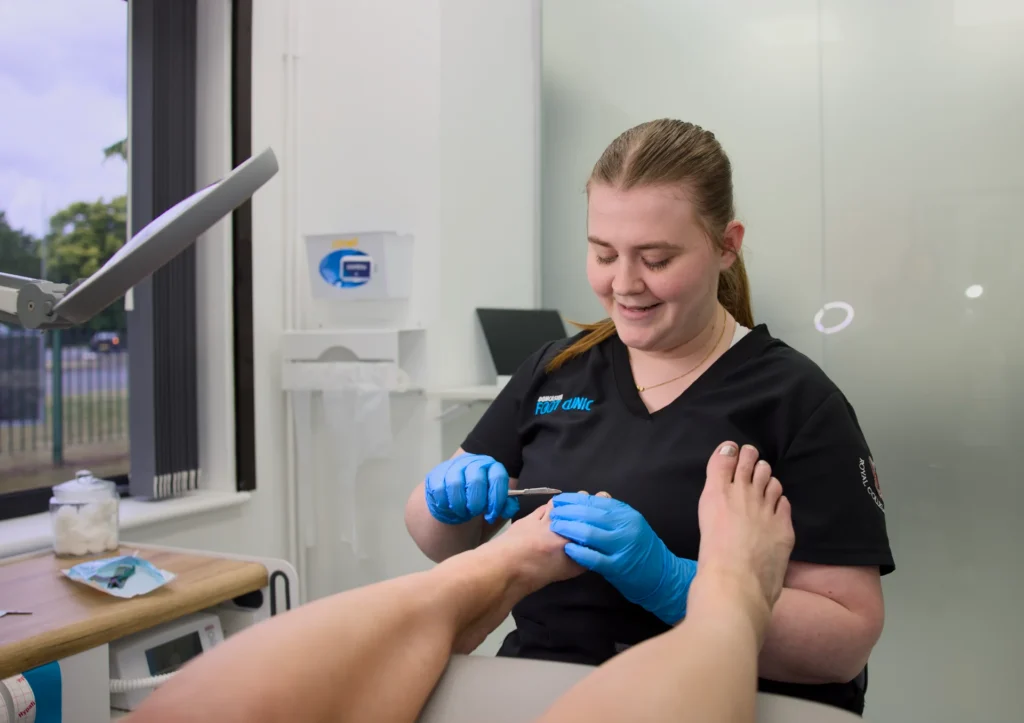
Are you experiencing pain, swelling, or recurrent infections around your toenail? At Doncaster Foot Clinic, our expert podiatrists specialise in safe, effective ingrown toenail treatments. We offer both conservative and advanced surgical options, including nail surgery under local anaesthesia, to provide life-long relief.
Ingrown Toenail Treatment
What Are The Signs of an Ingrown Toenail Infection?
- Persistent pain along the side of your toenail
- Redness, swelling, or tenderness
- Pus or discharge around the nail
- Infection signs, such as warmth or foul odour
- A sharp nail edge pressing into the skin
- Difficulty walking or comfortably wearing shoes
What Causes Ingrown Toenails?
- Curved or abnormally wide nails
- Traumatic injury or stubbing
- Ill-fitting footwear
- Improper nail trimming techniques
- Thickened or ingrowing nails
- Repeated pressure during sports activities
Treatments We Offer For Ingrown Toenails?
Ingrown toenails are one of the most common issues we treat everyday. Whether your discomfort is mild or severe, we deliver gentle, precise care to relieve pain quickly and effectively. Our benefits include:
- Conservative Care: For mild cases, we gently remove the problematic nail edge, reduce inflammation, and protect the toe with suitable dressings.
- Nail Surgery: Persistent or severe ingrown toenails often require minor surgery, performed under local anaesthesia, to remove the problematic section or entire nail. This provides a permanent solution, preventing recurrence. Post-surgical care is included to ensure proper healing and infection control.
- Antibiotic Prescription: When infection is already present.
What To Expect?
Your journey to pain-free toenails begins with a personalised consultation. Here’s what to expect during your appointment at Doncaster Foot Clinic:
- Initial Consultation & Symptom Discussion: We start by understanding your symptoms, how long they’ve been present, and any previous treatments or infections.
- Thorough Examination: Your podiatrist will examine the affected toe, inspecting the nail, surrounding skin, swelling, and signs of infection.
- Diagnosis & Explanation: We confirm whether your symptoms are caused by an ingrown toenail or other conditions like fungal infections, thickened nails, or skin fold irritation.
- Treatment Planning: We discuss all available options, including conservative care or surgical removal. If non-invasive treatment is suitable, we can usually start immediately.
- Surgical Options & Aftercare: If surgery is recommended, we’ll explain the procedure, recovery process, and expected healing timeline. Our advanced surgical techniques, such as partial or total nail removal, are performed under local anaesthesia. Surgical appointments are typically scheduled within 24 hours.
At Doncaster Foot Clinic, our aim is to offer a relaxed, straightforward foot care experience that helps to get you pain-free again to improve your overall wellbeing.
Benefits
Getting rid of an ingrown toenail is about so much more than just stopping the pain – it’s about helping you feel comfortable and confident on your feet again.
Whether you’re on your feet all day at work, enjoy going for walks, staying active with sports, or simply chasing after the kids, effective ingrown toenail treatment can quickly reduce discomfort, ease inflammation, and prevent the problem from getting worse or returning. Many patients notice a real difference in how they walk and move within 24 hours.
When your feet no longer hurt with every step, everyday life becomes easier and far more enjoyable – without that constant nagging pain holding you back.
Why choose Doncaster Foot Clinic?
- Skilled podiatrists with extensive experience in ingrown toenail management
- Local anaesthetic options to ensure a pain-free experience
- Quick appointment availability, often within 24 hours
- Friendly, relaxed environment focused on your well-being
- Personalised treatment plans tailored to your needs
FAQs
Frequently Asked Questions
How can I treat an ingrown toenail?
Mild cases can often be managed with warm saltwater soaks, proper nail trimming, and footwear adjustments. For more severe cases or persistent pain, professional care from a podiatrist is recommended, especially if there’s infection or underlying health issues like diabetes.
What’s the quickest way to resolve an ingrown toenail?
If home remedies don’t improve symptoms within a week, or if you experience significant pain, swelling, or infection, see a podiatrist promptly. Expert treatment ensures faster relief and prevents complications.
Can an ingrown toenail resolve on its own?
Typically, no. Without treatment, an ingrown toenail can worsen, leading to infection, increased pain, and possible tissue damage. Professional intervention is often necessary to alleviate symptoms and prevent further issues.
What happens if I ignore an ingrown toenail?
Leaving an ingrown toenail untreated can cause serious complications, including spreading infection, abscess formation, or even bone infection. It’s especially critical for individuals with diabetes or circulation problems to seek urgent care to avoid severe outcomes.
Is treatment painful?
Most treatments, including surgical procedures, are performed under local anaesthesia, minimising discomfort. Post-treatment soreness is usually mild and short-lived.
Take the First Step to Pain-Free Feet
Don’t let ingrown toenails affect your quality of life. Contact Doncaster Foot Clinic today for expert assessment and treatment. Our friendly team is dedicated to helping you walk comfortably again—fast, safe, and effectively.