
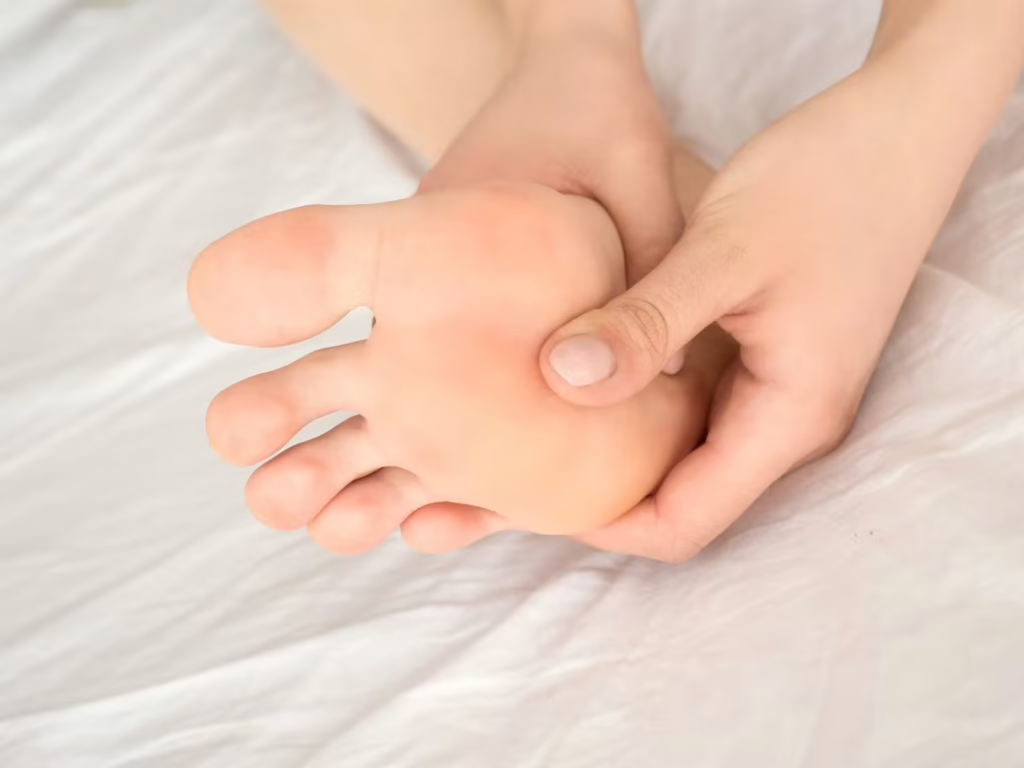
Common symptoms of ball of the foot pain include:
- Sharp, burning, or aching pain in the ball of the foot
- Feeling like walking on a pebble
- Numbness or tingling in the toes
- Worsening with standing, walking, or running
- Calluses forming under the painful area
At Doncaster Foot Clinic, we treat ball of the foot pain (metatarsalgia) with a personalised approach that combines conservative care and advanced therapies to reduce pain, improve foot mechanics, and speed up healing.
We start with diagnostic ultrasound for a detailed view inside the forefoot and gait analysis to identify any walking imbalances. Your tailored plan includes activity and load management advice, supportive footwear, custom orthotics to offload pressure from the metatarsal heads, and metatarsal pads/cushions for instant relief. Targeted rehab exercises strengthen weak muscles and improve flexibility, while radial and focused shockwave therapy promotes tissue repair and reduces inflammation. Class 4 laser therapy accelerates healing and relieves pain at the cellular level.
Our dedicated team works closely with you to create the right plan for the best possible results. If the ball of your foot feels sore or burning, get in touch today – we’ll have you walking comfortably again soon!
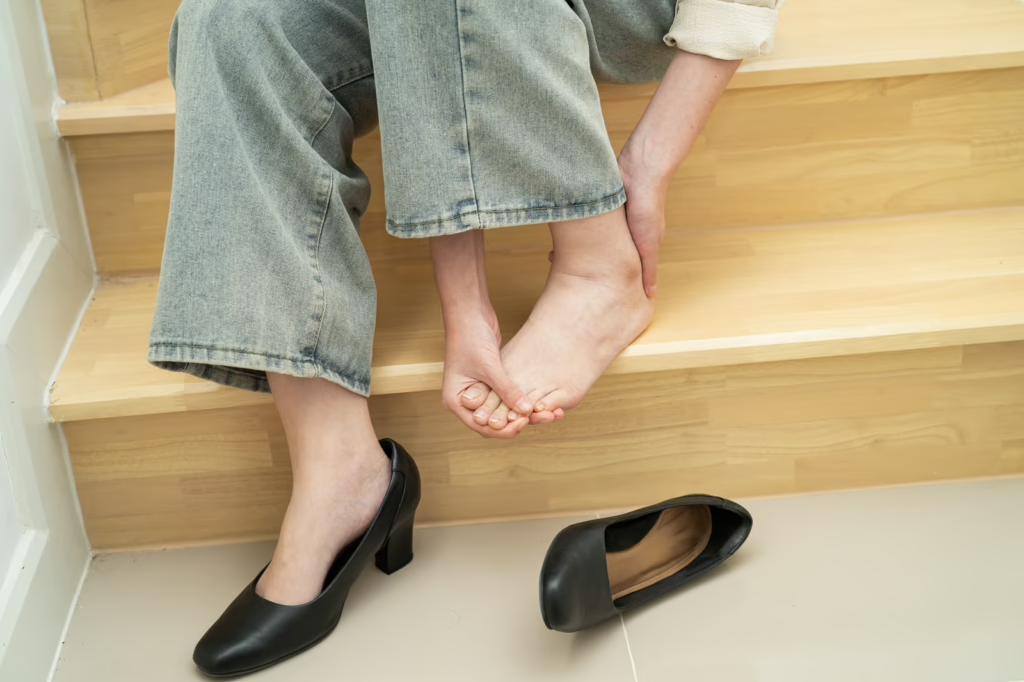
Ball of the Foot Pain
What Is Metatarsalgia?
Metatarsalgia is a common foot condition characterised by pain and soreness in the ball of the foot, beneath the metatarsal heads—the long bones that connect your toes to your foot. This discomfort often worsens with activity, especially when standing, walking, or wearing tight, high-heeled shoes. Although it’s a widespread condition, if left untreated, metatarsalgia can lead to persistent pain and secondary issues such as toe deformities or stress fractures.
Symptoms may also Include:
- Sharp, aching, or burning sensation in the ball of the foot
- Swelling or inflammation in the affected area
- Discomfort that worsens with walking, running, or standing for long periods
- Increased pain when wearing tight or high-heeled shoes
What Causes Metatarsalgia?
Several factors can contribute to the development of ball of the foot pain, including:
- Overuse and Repetitive Impact: Running, jumping, or prolonged walking that puts excessive pressure on the forefoot.
- Footwear Choices: Tight, narrow, or high-heeled shoes that increase stress on the metatarsal heads.
- Foot Structure Abnormalities: Flat feet, high arches, overpronation, or toe deformities like hammertoes or bunions that alter weight distribution.
- Injuries: Trauma or stress fractures affecting the metatarsal bones.
- Obesity: Excess body weight increases load on the forefoot, leading to pain and inflammation.
- Muscle Imbalances: Weak or tight foot and calf muscles that fail to properly support the arch and forefoot.
Our comprehensive assessments at Doncaster Foot Clinic are designed to help identify the underlying causes of your metatarsalgia, allowing us to develop targeted treatment plans to resolve your pain.
How Do We Treat Ball of the Foot Pain (Metatarsalgia)?
Our approach combines conservative measures with advanced therapies to reduce pain, improve foot mechanics, and speed up healing. Every treatment plan is personalised to your specific needs, including:
- Diagnostic Ultrasound: To get a detailed look inside the ball of the foot and plan effective treatment.
- Gait analysis: to identify any abnormalities or imbalances in your walking pattern
- Activity and load management advice to reduce stress on the forefoot.
- Supportive footwear and custom orthotics: to offload pressure from the metatarsal heads.
- Metatarsal pads and cushions: to redistribute pressure and reduce pain.
- Targeted Rehab programs for the foot and lower limb to improve flexibility and target weak muscles
- Radial and Focused Shockwave Therapy stimulates tissue repair, decreases inflammation, and promotes healing of stressed or damaged tissues.
- Class 4 Laser Therapy accelerates healing, reduces inflammation, and relieves pain by stimulating cellular repair processes at the tissue level.
Our dedicated team will work collaboratively with you to create a personalised plan that alleviates your pain and achieves the best possible results.
FAQs
Frequently Asked Questions
What are the typical symptoms of ball of the foot pain?
Symptoms include aching, burning, or sharp pain in the ball of the foot, especially during or after walking, running, or standing. Swelling and tenderness may also be present.
How long does it take to recover from metatarsalgia?
Mild cases can improve within a few weeks with proper treatment. More chronic or severe cases may take several months, especially if advanced therapies like shockwave or laser are used to promote healing.
Can I continue exercising if I have metatarsalgia?
Light, low-impact activities like swimming or cycling are generally safe, but high-impact activities should be avoided until your symptoms improve. We’ll guide you on a safe return to activity.
Are advanced therapies like shockwave and laser effective for foot pain?
Absolutely. Focus and radial shockwave therapy, along with Class 4 laser therapy, are proven to stimulate healing, reduce inflammation, and provide lasting pain relief for metatarsalgia and other foot conditions.
What happens if I ignore my foot pain?
Ignoring the symptoms can lead to worsening pain, secondary deformities, or stress fractures. Early treatment helps prevent these complications and speeds up recovery.
How can I prevent metatarsalgia from recurring?
Supportive footwear, custom orthotics, proper activity levels, and addressing biomechanical issues can significantly reduce the risk of future episodes.
Ready to find relief from your foot pain?
At Doncaster Foot Clinic, we offer advanced treatments including shockwave and laser therapies to help you heal faster and return to your daily routine pain-free. Contact us today to book your personalised assessment and start your journey to healthier feet!