

Common symptoms of shin splints include:
- Dull, aching pain along the inner edge of the shin
- Tenderness when touching the bone
- Pain starting during or after exercise
- Mild swelling in the lower leg
- Discomfort easing with rest but returning with activity
At Doncaster Foot Clinic, we take a comprehensive approach to shin splints treatment, focusing on reducing inflammation, supporting tissue repair, and correcting biomechanical issues for full recovery and prevention. Our podiatrists begin with diagnostic ultrasound for a detailed tissue view and gait analysis to identify walking imbalances, then provide footwear advice and custom orthotics to absorb shock, fix mechanics, and ease strain. You’ll get targeted rehab exercises for calf and lower leg flexibility and stability, radial/focused shockwave therapy to stimulate repair and cut inflammation, Class 4 laser therapy for faster healing and pain relief, plus activity/load management tips – and in some cases, ultrasound-guided corticosteroid injections to control swelling.
We create a personalised plan to speed your recovery and keep you active pain-free. Ready to run without shin pain? Get in touch today for expert podiatry support!
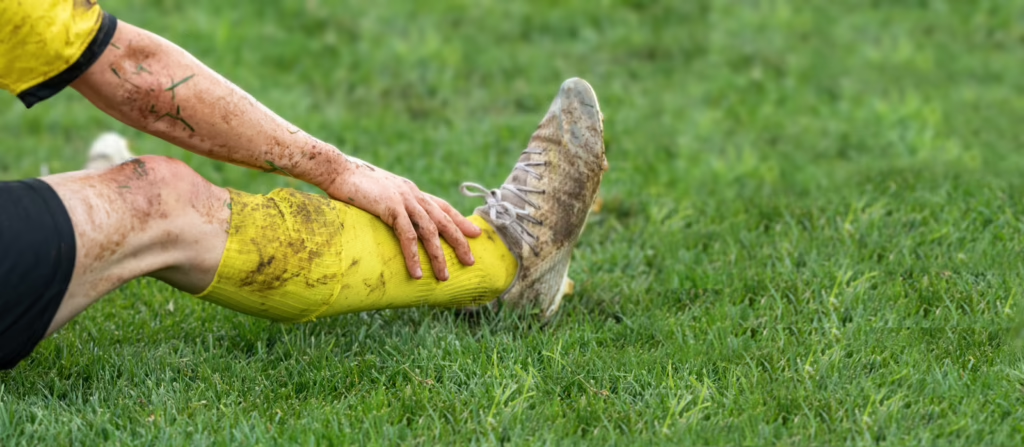
Shin Splints
What Are Shin Splints?
Shin splints, or medial tibial stress syndrome, is an overuse injury caused by repetitive stress and strain on the muscles, tendons, and bone tissue along the inner edge of the shinbone. It is common among runners, athletes, and those who suddenly increase their activity levels. If not properly managed, shin splints can escalate into more serious conditions such as stress fractures.
Symptoms may also Include:
- Tenderness and soreness in the lower leg
- Mild swelling in the affected area
- Pain that worsens during or after physical activity
- Discomfort that decreases with rest but may return with activity
- Tightness or cramping in the lower leg muscles
At Doncaster Foot Clinic, we provide expert assessment and personalised treatment plans to help you manage your symptoms effectively.
What Causes Shin Splints?
Several factors can contribute to the development of shin splints, including:
- Overuse and Repetitive Impact: Jumping, running, squatting, or other high-impact activities that repeatedly strain the knee.
- Sudden Increase in Activity: Rapidly ramping up training intensity or duration without proper conditioning.
- Biomechanical Issues: Poor alignment, muscle imbalances, or improper movement patterns that increase stress on the tendon.
- Inadequate Footwear and Technique: Wearing unsupportive shoes or poor movement mechanics during activity.
- Muscle Tightness: Tight quadriceps or hamstrings that increase tension on the front of the knee.
- Previous Knee Injury: Past trauma or injuries that weaken the tendon or alter biomechanics.
Our thorough assessment process at Doncaster Foot Clinic helps identify the specific causes of your shin splints, so we
How Do We Treat Shin Splints?
We believe in a comprehensive approach to a full recovery. Our goal is to reduce inflammation, support tissue repair, and correct biomechanical issues to prevent the pain from coming back. Our treatment options include:
- Diagnostic Ultrasound: To get a detailed look at the tissues and plan effective treatment.
- Gait analysis: to identify any abnormalities or imbalances in your walking pattern
- Footwear advice and custom orthotics to absorb shock, correct biomechanical issues and reduce strain.
- Targeted Rehab programs: Exercises focused on improving flexibility and stability of the calves and lower leg muscles.
- Radial and Focused Shockwave Therapy stimulates tissue repair, decreases inflammation, and promotes healing of stressed or damaged tissues.
- Class 4 Laser Therapy accelerates healing, reduces inflammation, and relieves pain by stimulating cellular repair processes at the tissue level.
- Activity and load management advice to reduce strain on the shin muscles
- Injections: In some cases, ultrasound-guided corticosteroid injections may be used to control inflammation and support tissue healing.
Our team will work with you to develop a personalised plan that speeds your recovery and helps you stay active without pain.
FAQs
Frequently Asked Questions
What are the common symptoms of shin splints?
Symptoms include aching, tenderness, or soreness along the inner part of the shin, often worsened by activity and relieved with rest. Swelling and mild bruising may also be present.
How long does it take to recover from shin splints?
Mild cases can improve within a few weeks with proper treatment. More severe or chronic cases may take several months, but early intervention with advanced therapies can significantly speed recovery.
Can I continue exercising with shin splints?
It’s best to rest and avoid high-impact activities that worsen your symptoms. Low-impact options like swimming or cycling are usually safe, but always seek personalised advice from your podiatrist.
Are there advanced treatments that can help heal my shins faster?
Yes, we offer focus and radial shockwave therapy and Class 4 laser therapy, which are scientifically proven to accelerate tissue healing, reduce inflammation, and relieve pain associated with shin splints.
What happens if I ignore shin splints?
Ignoring the pain can lead to more serious injuries like stress fractures or chronic pain that can significantly limit your activity and require more invasive treatments.
How can I prevent shin splints?
Proper footwear, gradual increase in training intensity, strengthening exercises, and addressing biomechanical issues can help prevent shin splints from recurring
Ready to get back to your active routine?
At Doncaster Foot Clinic, we’re committed to helping you recover from shin splints quickly and effectively. If you’re experiencing lower leg pain that’s holding you back, contact us today to schedule your personalised assessment. Together, we’ll help you move pain-free and stay active!