Services
Verrucas and Warts Treatment
Verruca Treatment in Doncaster
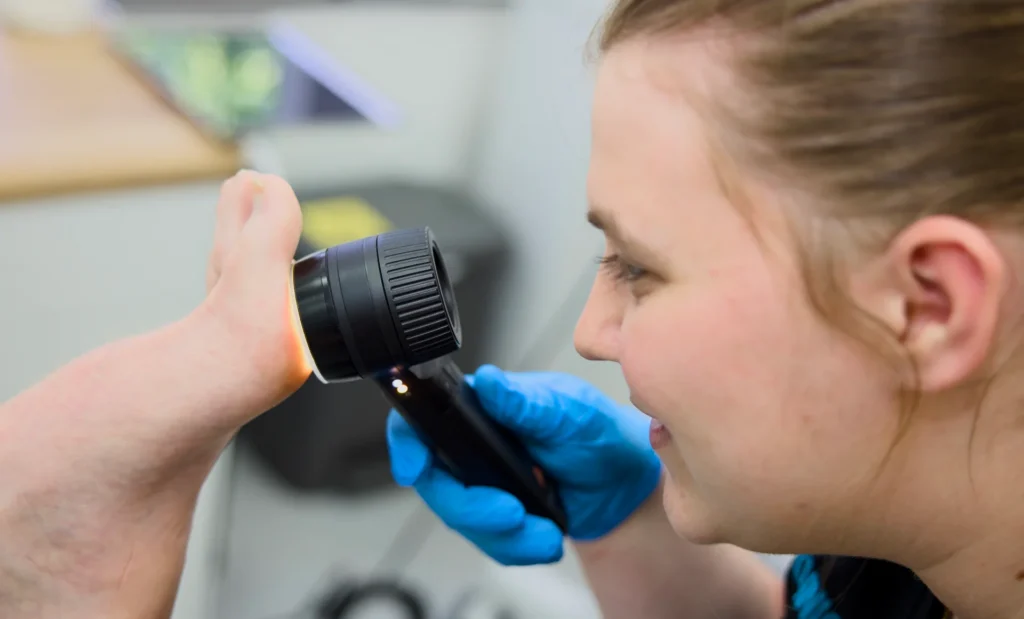
Verrucas can be stubborn, painful, embarrassing – and often spread, especially in children and active adults. We provide the most effective, evidence-based verruca treatments designed to get rid of your verrucas, helping you feel pain-free, and liberated—so you no longer feel self-conscious about your feet.
Verrucas and Warts Treatment
What Is a Verruca?
A verruca, also known as a plantar wart, is a common skin growth that appears on the foot and is highly contagious, especially for those vulnerable to the infection. While verrucas are usually harmless, they can cause discomfort, particularly when located on areas of the foot that bear weight. Most people will encounter a verruca at some point in their lives.
Symptoms may also include:
- Round patches of thickened skin
- Being found on the sole or on the sides of the foot, and also on top or between the toes
- Tiny black dots (dried blood from small blood vessels within the wart).
- A cauliflower resembling lesion
- A yellow, brown, grey or red coloured lesions
- A singular or a mosaic-like appearance
Regular foot checks are important for early detection, allowing for timely and appropriate treatment. Since verrucas are highly contagious, they spread through direct contact, especially if the person is not immune to the virus. Walking barefoot in contaminated areas can facilitate the spread. If left untreated, the virus responsible for verrucas can persist for years.
What Causes Verrucas?
Verrucae, or plantar warts, are caused by the Human Papillomavirus (HPV). This highly contagious virus thrives in moist, damp environments and spreads easily, especially if your immune system hasn’t built resistance.
The infection starts in the outer skin layers. At first, the body doesn’t react strongly because the virus stays in the superficial epidermis. As it spreads deeper, it suppresses immune signals, allowing the verruca to become established without detection. It can take up to eight months for a verruca to appear, by which time the virus is often well established.
Anyone can get a verruca, but they are most common in children. If left untreated, verrucas can multiply into clusters called mosaic warts, which are harder to treat and may cause embarrassment. However, many verrucas resolve on their own within about two years, especially in children.
Treatment We Offer For Verrucas and Warts
At Doncaster Foot Clinic, we use the world’s most advanced verruca treatments, known for their high success rates:
Verruca Needling
- A minimally invasive surgical procedure.
- Exceptionally effective on persistent, long-term verrucas.
- Performed under local anaesthesia.
- Involves repeatedly puncturing the verruca with a sterilised needle.
- Works by introducing the virus into the deeper layers of the skin (dermis).
- Stimulates the body's immune response to recognise and attack the virus.
- Usually, a single session is sufficient to eradicate all verrucas.
- Includes all follow-up appointments to track the healing progress.
- Painless and quick since the area is numb beforehand.
- Minimal downtime - a period of rest of about 24 hours is recommended.
- Clinical Studies show up to an 80% success rate after just one treatment.
Swift Microwave Therapy
- Innovative technology which employs precisely controlled microwave energy.
- Administered through a special probe directly onto the verruca for precision.
- Works by generating heat to initiate the body's natural immune response.
- Targets the root of the problem by encouraging the body to heal itself
- Exceptionally effective on persistent, long-term verrucas.
- The treatment protocol is notably patient-friendly.
- Generally requires only three sessions spaced four weeks apart.
- Sensation is described as a quick "nip" or burst of heat that rapidly subsides.
- No downtime - no post-treatment discomfort or the need for dressings.
- Clinical Studies show up to an 86% success rate after just three sessions.
Verrutop
- A topical acid-based medication
- Unlike the other treatments, doesn’t rely on the immune system to kill the verruca.
- Contains a Nitrizinc complex that is applied directly to the affected area.
- Works by drying out and desiccating the lesion
- Promotes cell death, leading to reduction and removal of the verruca.
- Generally requires six sessions spaced two to four weeks apart.
- Minimally invasive and mostly painless
- Suitable for all ages, from children to adults.
- Quick applications with no downtime.
- Clinical Studies show 90% success rate within a maximum of six sessions
FAQs
Frequently Asked Questions
What happens if a verruca is left untreated?
If left untreated, a verruca can persist and spread to other parts of the foot or to others through contact. It may cause discomfort or pain, especially on weight-bearing areas, and can grow larger over time. Neglecting treatment can also lead to complications like infection or the development of multiple verrucae, known as mosaic warts. Therefore, seeking prompt treatment is important to prevent these issues and effectively manage the verruca.
Do verrucae eventually go away?
Verrucas can sometimes clear up on their own, but this varies. Some disappear in a few months, others can last years. Factors like immune response, size, location, and HPV strain affect healing. However, since verrucas can persist and spread, it’s best to seek treatment to control the condition, reduce discomfort, and prevent complications.
How do you get rid of verrucas quickly?
There are various methods to quickly treat verrucas. For stubborn ones, podiatrists may suggest options like verruca needling or ‘Swift’ microwave therapy, which boost the body’s immune response. It’s important to consult a podiatrist to determine the best treatment plan based on the type of verruca, its location and longevity, as well as your own medical circumstances.
How do you stop verrucas coming back?
To prevent a verruca from returning, keep your feet clean and dry. Change socks and shoes regularly and avoid walking barefoot in public. Don’t pick or pick at verrucas, as this can spread the virus. Eating healthily, exercising, and resting boosts your immune system. Regular foot checks help catch new verrucas early, making treatment easier and preventing spread.
What is the usual duration of a verruca?
Verrucas can last from months to years without treatment. With options like topical medications, needling, or microwave therapy, they often clear in a few months. Their persistence depends on factors like immune response, verruca location, and treatment. Consulting a podiatrist can provide personalised advice for effective management and removal.
Verruca Treatment in Doncaster at Doncaster Foot Clinic
At Doncaster Foot Clinic, we are committed to providing comprehensive care for those affected by verrucae. Our specialised services include foot health assessments, acid treatments, verruca needling, and Swift microwave therapy options, allowing us to tailor our approach to meet your individual needs.
When you book an appointment with our experienced podiatrists, you can expect a detailed evaluation, accurate diagnosis, and personalised treatment plan. Whether you require simple, non-invasive options or more advanced procedures such as verruca needling, our team is dedicated to guiding you towards effective solutions tailored to you.
Start your journey to better foot health today by scheduling an appointment with Doncaster Foot Clinic. We are here to help you manage and treat your verrucae, so you can enjoy greater comfort and confidence in your daily activities.